
Energy Savings Guide: Grocery Stores

Grocery stores remain among the most energy‑intensive commercial buildings due to around‑the‑clock refrigeration, long operating hours, HVAC load, lighting demands, and strict food‑safety requirements. Reducing energy use presents one of the largest, fastest ways to lower operating expenses while protecting product quality, improving shopper comfort, and strengthening sustainability performance. This guide summarizes practical steps grocery […]
Energy Savings Guide: Food & Beverage
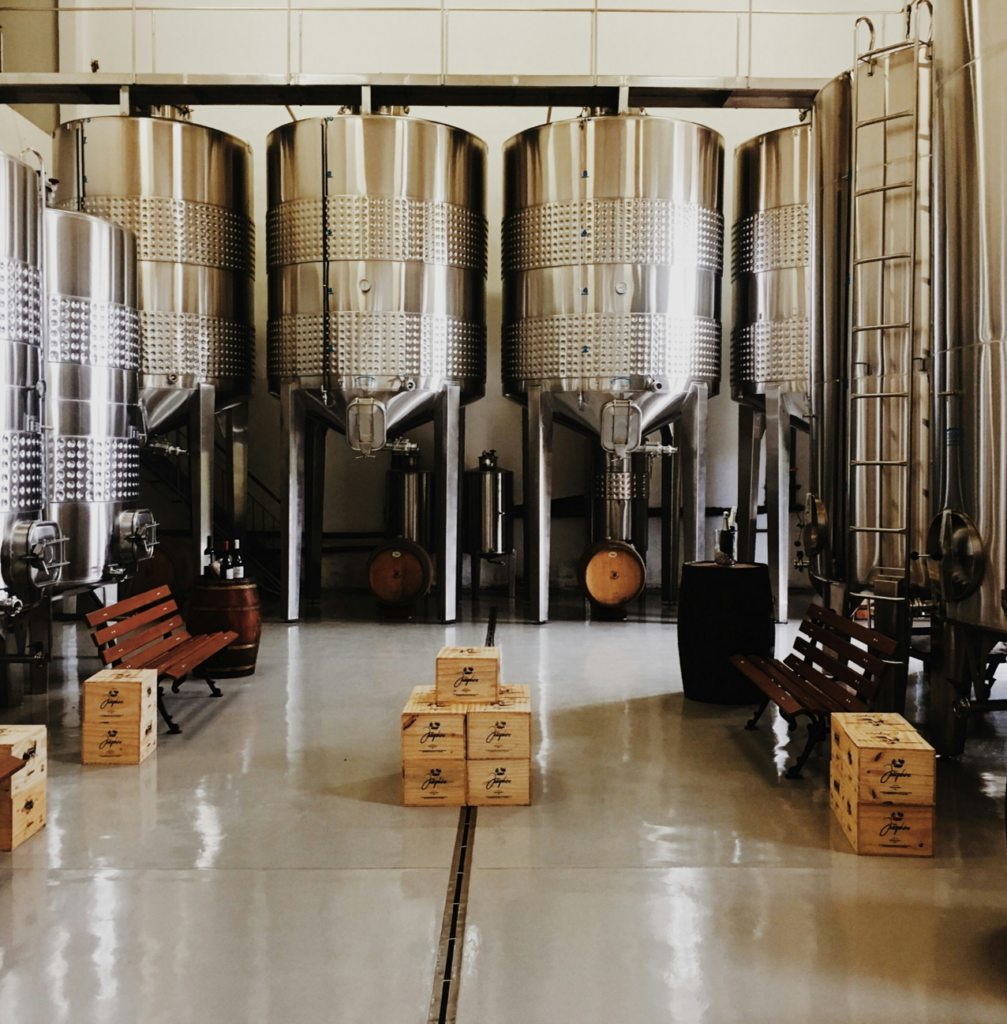
Food and beverage (F&B) processing facilities are among Canada’s most energy‑intensive industrial operations, driven by continuous refrigeration, thermal processing, pumping, mixing, cleaning systems, and strict sanitation and quality requirements. Energy-intensive processes such as heating, cooling, refrigeration, and mechanical processing collectively make this sector one of the highest users of energy across the industrial landscape. In […]
Energy Savings Guide: Retail

Retail businesses face rising energy costs driven by long operating hours, lighting demands, heating and cooling requirements, and increasingly technology‑heavy stores. This guide provides practical, proven strategies to help retail operators reduce energy use without compromising customer comfort, safety, or store appearance. By focusing on lighting, HVAC, building envelope improvements, equipment efficiency, and staff engagement, […]
A Business’ Guide to the Circular Economy

Overview A Business’ Guide to the Circular Economy was developed as part of the Circular Economy Accelerator Program to support businesses seeking to adopt circular economy concepts into their operations, reduce waste and emissions, and implement innovative practices. It provides an overview of the circular economy, highlights tangible and creative business solutions, and includes resources […]